UK's First B2B Fashion-Operations Middleware

Intercept. Alter.
Deliver.

TailorFlow fixes garment fit before it ships intercepting e-commerce orders at checkout, enabling proactive pre-delivery alterations that turn potential refunds into finalized, custom-fit sales. Solving the UK's £25.1 billion returns crisis with Fit-as-a-Service infrastructure.

Live Fit Orchestration Monitor
95% Accuracy
Orders Intercepted Today 1,247
Returns Prevented This Week £18,400
Active Alteration Jobs 84
£25.1B
UK Annual Returns Crisis
Non-food returns · 2025 forecast
93%
Returns Are Fit-Related
UK Fashion Returns Research
62%
UK Shoppers "Bracket" Sizes
69% for Gen Z · UK Research
40%
Bracketing Reduction in Pilots
TailorFlow London Cluster
How It Works

From Checkout Intent to Ready-to-Wear Delivery in 24–48 Hours

Every TailorFlow deployment follows a four-stage fit orchestration journey from checkout capture and semantic translation, to pre-dispatch modification at a vetted micro-hub, to final "Ready-to-Wear" delivery all without disrupting the merchant's existing e-commerce stack or adding friction to the checkout funnel.
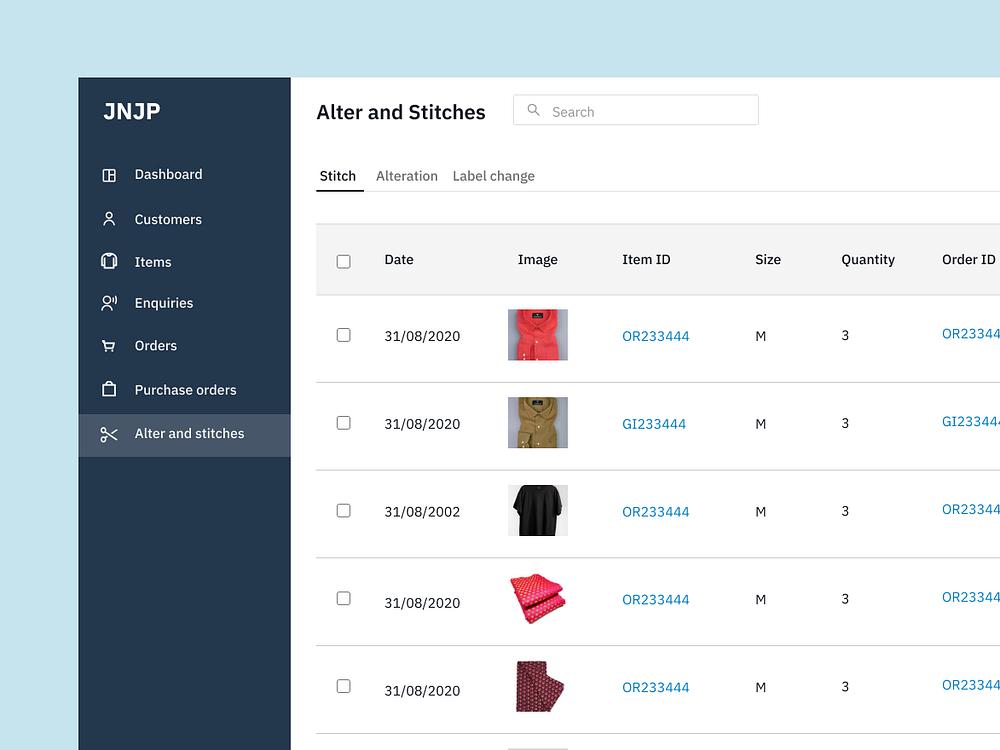
STEP 01

Capture at Checkout

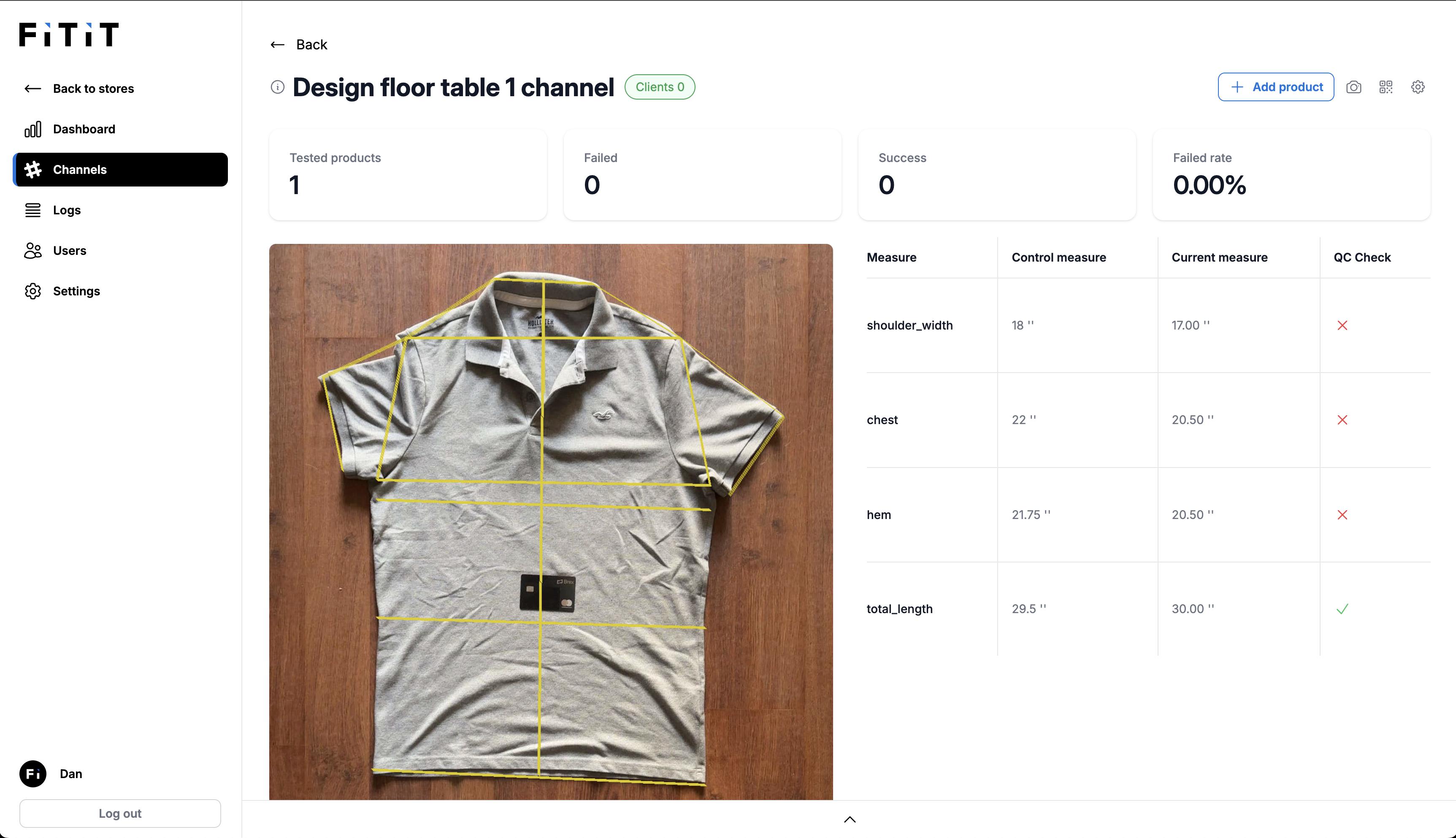
The Checkout-to-Stitch Orchestration Layer (CSOL) captures customer fit preferences directly within Shopify or WooCommerce checkout hemming, waist taper, sleeve shortening as structured order metadata.

STEP 02

Translate & Standardise

The AITE Semantic Engine normalises vague customer language like "shorten for a petite fit" into precise technical job sheets e.g., "Hem: -4.5cm; blind stitch finish" with 95% mapping accuracy.

STEP 03

Route & Alter

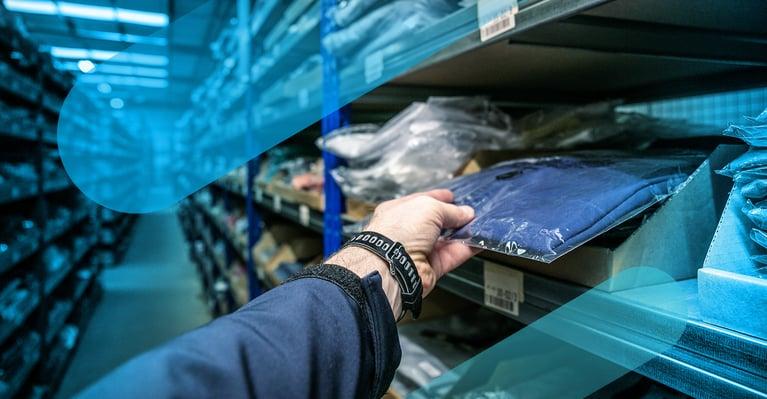
The Pre-Dispatch Modification Buffer intercepts the garment between "Pick" and "Dispatch" stages, routing it to the nearest certified tailoring micro-hub for completion within the SLA window.

STEP 04

Verify & Deliver

Digital QA evidence is captured pre/post modification. The garment is dispatched as a "Ready-to-Wear" item while Fit Intelligence data feeds back to the merchant's design team to prevent future returns.

Core Platform

Five Proprietary Modules. One Fit Orchestration Infrastructure.

TailorFlow combines five proprietary orchestration modules into a single fashion-operations middleware the only platform that unifies Checkout Capture, Semantic Translation, Pre-Dispatch Routing, Digital QA, and Fit Intelligence into one proactive "Return Prevention" system for D2C brands, multicultural retailers, and luxury boutiques.
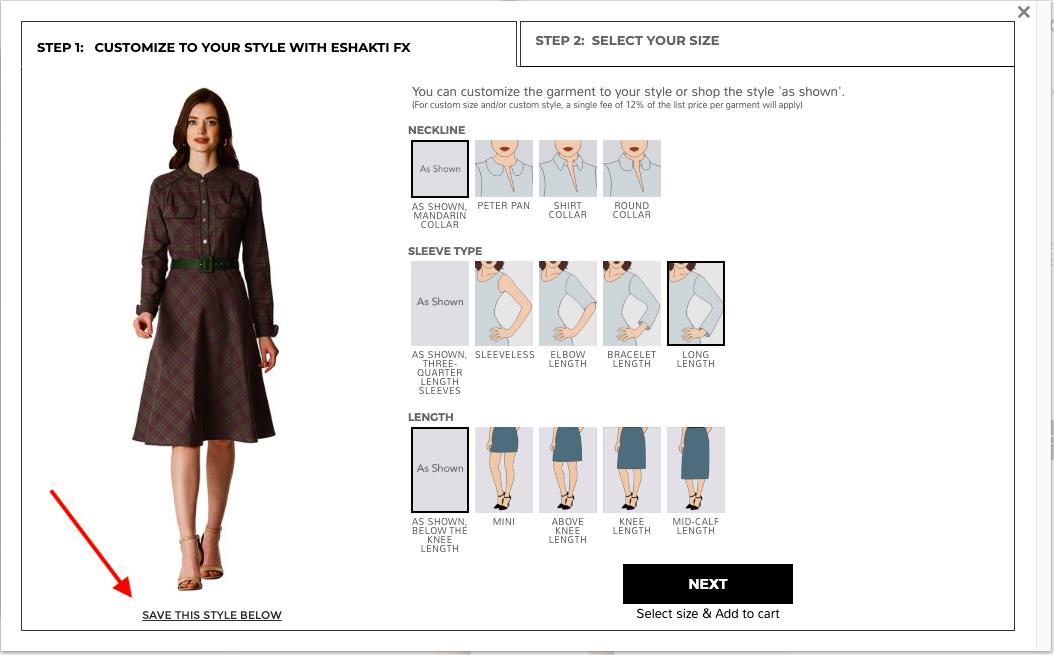
Module 01

CSOL Checkout Engine

Transaction-integrated framework that captures fit adjustments at the point of purchase, transforming customer intent into structured tailoring instructions in sub-200ms.
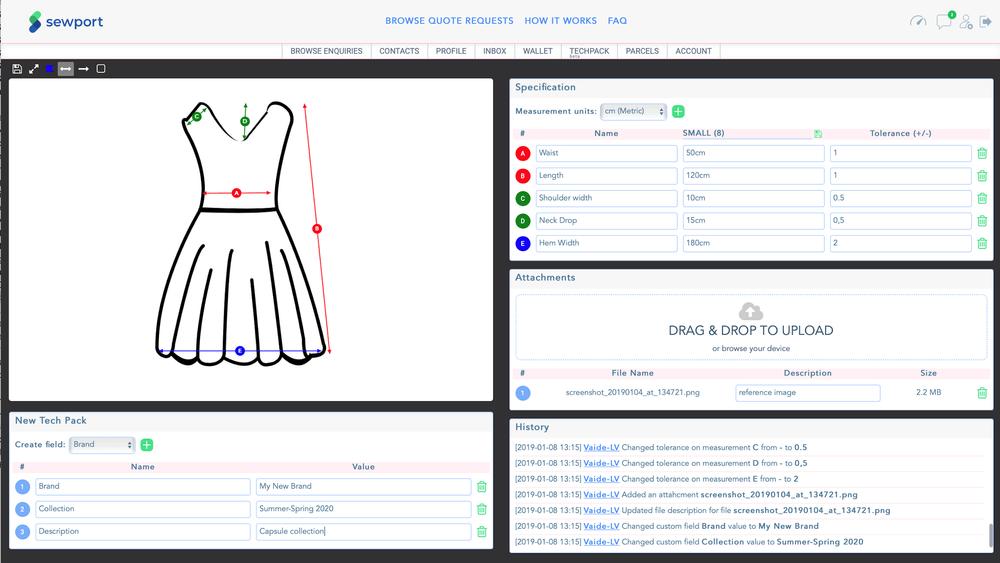
Unlike separate booking funnels, CSOL embeds the modification trigger directly within the merchant's ordering logic maintaining checkout conversion rates while capturing every alteration request with 100% technical fidelity.
Module 02

AITE Semantic Engine

Machine learning layer that converts ambiguous customer language into quantified, workshop-compatible parameters with 95% accuracy across 10+ garment categories.
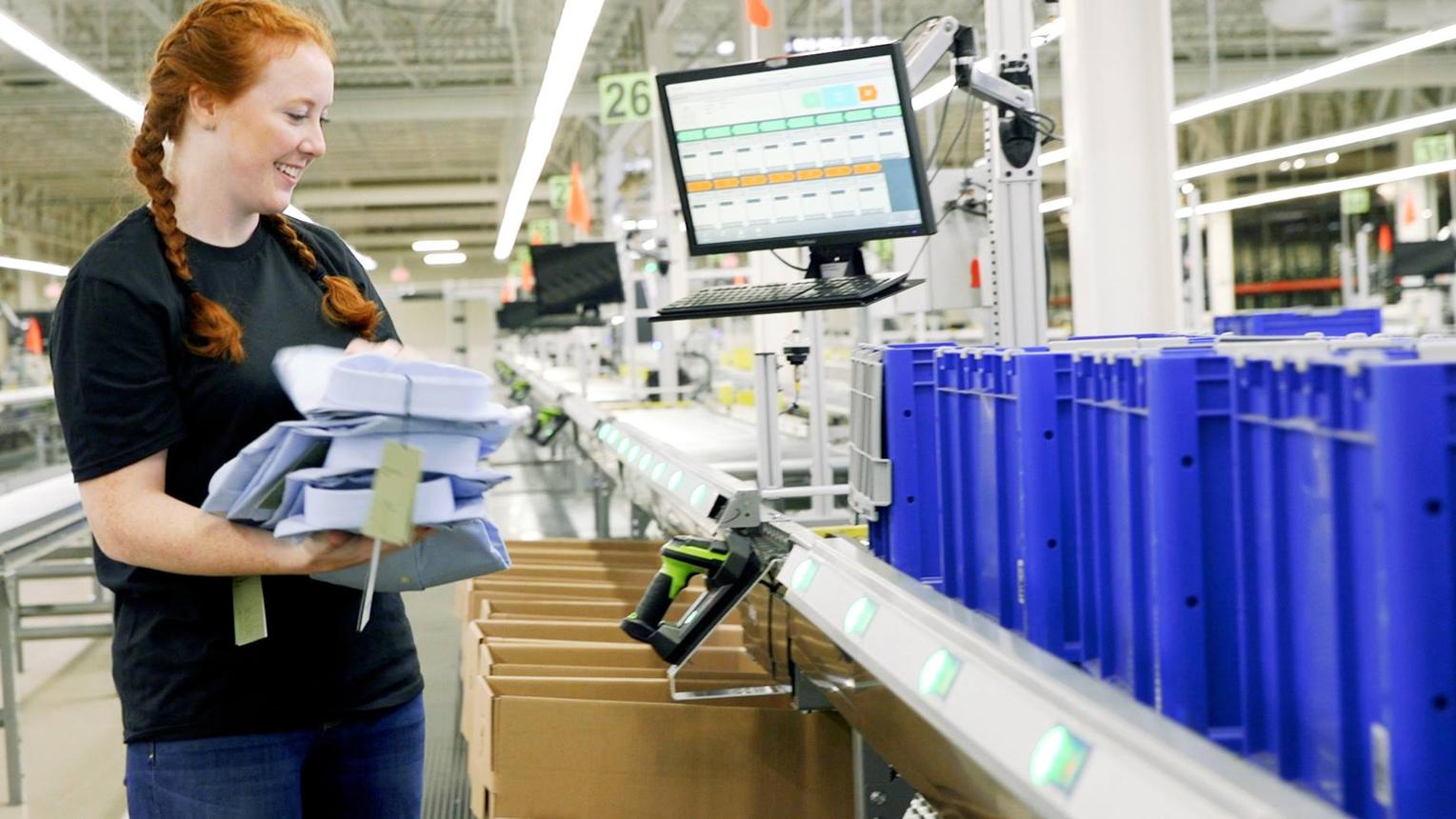
The engine understands garment construction rules automatically validating requests to ensure they don't interfere with structural elements like zippers or vents, eliminating rework and craftsmanship disputes.
Module 03

Pre-Dispatch Buffer

Upstream intervention model that intercepts garments between "Pick" and "Dispatch" stages, routing them to certified micro-hubs before first-mile delivery.
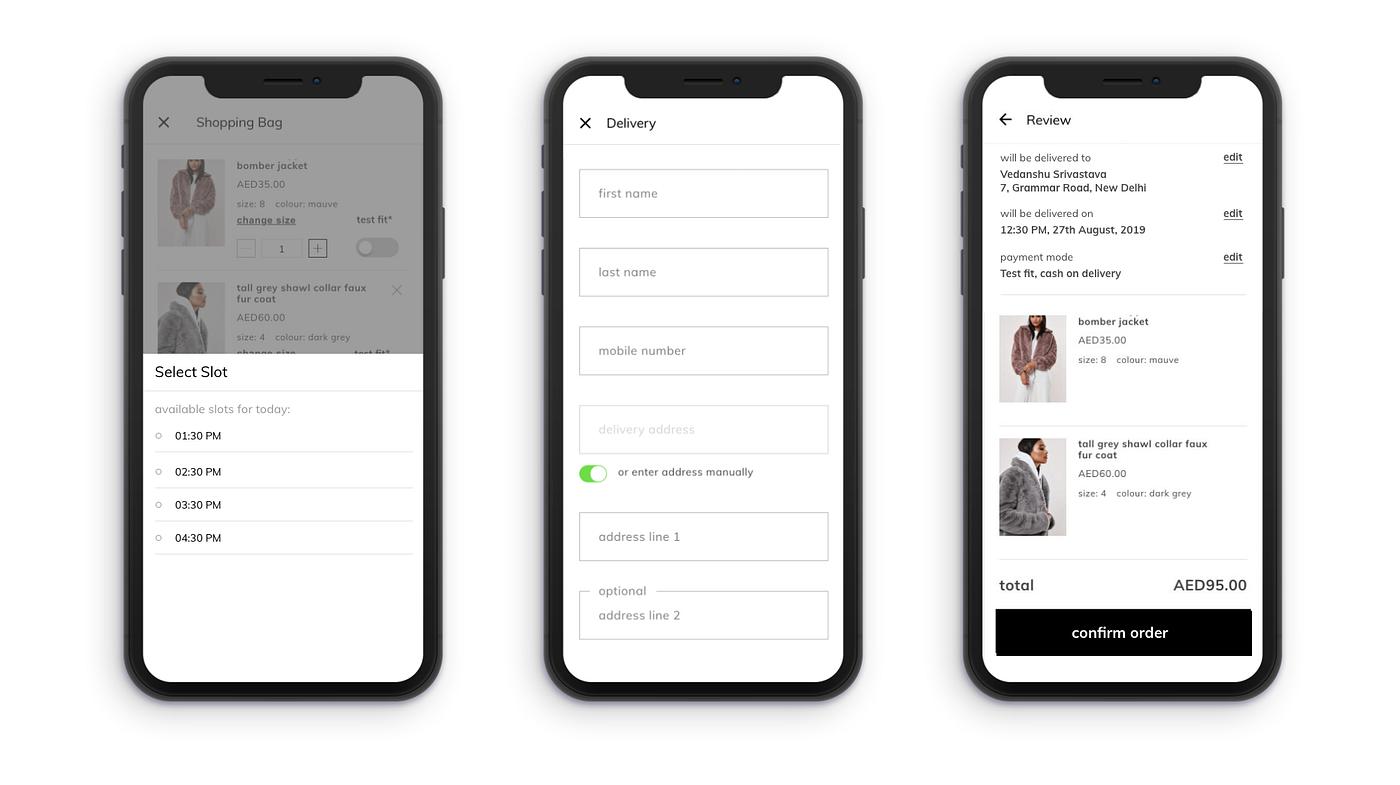

The Modification Buffer is designed for high-volume retail ensuring compliance with e-commerce speed expectations (24–48h SLA) while preventing the 4.2kg of CO₂ generated by redundant return trips.
Our Mission

Built to Solve the UK's £25.1 Billion Fashion Returns Crisis

TailorFlow was born from a clear, observed failure: UK e-commerce fashion brands process returns at a cost of £10–£20 per item, with 93% of those returns caused by avoidable size and fit issues. The industry treats fit corrections as a reactive, post-purchase burden with no integrated system to resolve fit before the first-mile delivery.

Our platform transforms fashion fulfillment from a reactive "buy-to-return" model into a proactive, AI-powered Fit Orchestration Infrastructure. We don't just manage returns faster we prevent them entirely by intercepting orders at checkout, translating customer fit intent into precise technical job sheets, and routing garments to a vetted network of local tailoring hubs before dispatch.

Founded by Nikunj Patel combining a decade of industrial procurement expertise with a Computer Science background TailorFlow applies pharmaceutical-grade quality control to the fashion industry's most expensive flaw: the "Fit Gap."

Checkout-to-Stitch Orchestration
AITE Semantic Translation
Pre-Dispatch Modification Buffer
Canonical Alteration Schema (CAS)
Fit Intelligence Analytics (APIM)
SLA-Managed Micro-Hub Network
GDPR · EPR 2025 Compliant
Patent-Pending IP Portfolio
Founder & CEO

Nikunj Patel

Computer Science · Industrial Procurement · International Business · Supply Chain Leader

Over nine years of industrial procurement experience at Acme Pharmaceuticals, specialising in sourcing, contract negotiation, supplier relationship management (SRM), and ERP-driven logistics. Nikunj combines this with a Master of International Business (University of Lincoln) and a Bachelor of Computer Science.

Nikunj directs both the technical architecture of TailorFlow's CSOL and AITE modules and the operational partner network ensuring the platform applies pharmaceutical-grade reliability to fashion's fragmented tailoring supply chain. His procurement background directly informs the 24–48h SLA guarantee and the platform's industrial-grade quality control.

The Platform

TailorFlow

Fit Orchestration · Return Prevention · Circular Economy Compliance

TailorFlow is currently at TRL-7 with a functional prototype validated in the London city cluster. The platform has achieved 95% AITE mapping accuracy, sub-200ms checkout latency, and a 40% reduction in bracketing behaviour in controlled pilot groups.

Target: 500 institutional merchants by Year 5 with ARR exceeding £3 million, while preventing millions of garments from entering UK landfills annually and supporting brands' EPR 2025 and Digital Product Passport (DPP 2027) compliance obligations.

Platform Architecture

Five Proprietary Modules. One Invisible Custom-Fit Layer.

TRL-7
Current Technology Readiness Level
95%
AITE Semantic Mapping Accuracy
<200ms
Checkout Interaction Latency
24–48h
SLA-Managed Turnaround Time
Element A

CSOL Checkout Orchestration

Transaction-integrated framework capturing fit adjustments at the point of purchase. Automatically transforms customer intent into structured tailoring instructions embedded in the original transaction record.

Built using Shopify Checkout UI Extensions and WooCommerce Blocks maintaining sub-second page load benchmarks while capturing structured alteration metadata (hems, waists, sleeves) without checkout friction.
Element B

PRFCI Return Prevention

Proactive logistics mechanism that intervenes before dispatch to resolve size and fit mismatches. The "Modification Buffer" routes garments from the warehouse to a tailoring micro-hub upstream of final delivery.

Establishes a proprietary "Preventative Logistics" workflow distinct from standard reverse-logistics or post-purchase repair systems treating fit correction as a fulfillment step, not a returns step.
Element C

AITE Semantic Translation

Machine learning engine converting ambiguous, subjective customer language into quantifiable production parameters mapping qualitative descriptors to standardised technical specifications.

Patent protection extends to the ML algorithms that map qualitative descriptors to standardised technical specifications, ensuring low-error communication between the merchant's storefront and the tailor's workshop.
Element D

APIM Fit Intelligence

Data-driven layer aggregating recurring alteration requests to identify systemic fit deficiencies across specific SKUs. Transforms service records into predictive merchandising signals.

Provides diagnostic data back to brand design teams to fix the root cause of returns misaligned master patterns. Allows brands to adjust future manufacturing specs based on real-world body data.
Element E

ICFEL Custom-Fit Layer

Invisible Custom-Fit Enablement Layer for pre-dispatch modification. Intercepts order signals at WMS level, routing garments to the "Modification Buffer" without disrupting high-speed packing lines.

Establishes a "Hybrid Retail Model" that bridges the gap between mass production and individual personalization providing bespoke-quality fit at scalable e-commerce price points.
Schema

CAS Canonical Alteration

Proprietary data schema eliminating the fragmentation of artisan labour. Ensures a tailoring partner in London delivers the exact same technical precision as one in Leicester or Manchester.

The CAS forms the backbone of TailorFlow's "industrial logic" a dictionary that translates customer intent to needle-work instructions, maintained as a trade secret with controlled access under strict NDAs.
Market Analysis

The UK's £25.1B Returns Crisis Creates an Urgent Market Imperative

£68.7B
UK Apparel Market Revenue projected by end 2025, with online fashion accounting for 73% of total fashion spend.
UK Fashion Industry Report 2025
£357M
Total Addressable Market for TailorFlow across D2C, multicultural, luxury, enterprise and sustainable fashion sectors.
TailorFlow Market Analysis
22.64%
Projected CAGR for UK sustainable fashion market, driven by EPR mandates and consumer demand for circular retail.
UK Sustainable Fashion Report
TailorFlow TAM by Sector (£M)
Annual addressable market by customer segment
Returns Crisis Breakdown
Root causes of UK fashion returns
Competitive Positioning Radar
TailorFlow vs. market competitors across key capability dimensions
TailorFlow Revenue Projections (Year 1–5)
Annual revenue growth trajectory (£)
Platform Performance vs. Competitors
Capability score comparison across key metrics
Pricing Plans

Transparent Pricing. Built for Fashion Merchants of Every Scale.

Every TailorFlow plan replaces the £10–£20 "returns tax" per garment with a proactive, revenue-retaining service fee. Choose the tier that matches your volume and start converting potential refunds into finalized, custom-fit sales.

Independent

Boutique

For independent boutiques and multicultural occasionwear brands entering proactive fit orchestration.

£199
per month · billed monthly
  • Shopify & WooCommerce checkout UI extension
  • Basic job-sheet generation (CAS schema)
  • Partner routing engine access
  • Up to 500 alteration jobs/month
  • Email support & onboarding guide
  • GDPR-compliant data handling
Enterprise

Custom

For Tier-1 department stores, global marketplaces, and fashion conglomerates requiring full WMS integration.

£1,500/avg
per month · custom pricing
  • Full API access for custom WMS stacks
  • White-label deployment infrastructure
  • Multi-city cluster management
  • Advanced EPR & DPP reporting tools
  • Fit-Intelligence data licensing (APIM)
  • Dedicated account manager & SLA guarantee
Transaction Fees

Per-Alteration "Attach Rate" Fees

In addition to subscriptions, TailorFlow charges a platform fee on every modification executed. This aligns our growth directly with the merchant's success.

STANDARD
£1.50
per altered order · high-volume tier
PREMIUM
£3.50
per altered order · standard volume
BRIDAL / LUXURY
15–20%
commission on tailoring service value
Frequently Asked Questions

How does TailorFlow integrate with my Shopify store?

+
TailorFlow integrates via a native Shopify Checkout UI Extension no custom code required. The extension is installed in under 30 minutes and presents product-specific alteration options based on SKU attributes, capturing structured alteration metadata without affecting your checkout conversion rate or sub-second page load benchmarks.

What is the 24–48 hour SLA and how is it enforced?

+
The SLA is enforced through real-time capacity monitoring and automated job redirection. If a tailoring hub approaches its throughput limit, jobs are automatically rerouted to the next nearest certified partner. Partner contracts include SLA penalty clauses, and TailorFlow's dashboard provides real-time milestone tracking for both merchants and end customers.

How does TailorFlow help with EPR 2025 compliance?

+
TailorFlow provides merchants with audited primary data on returns reduction and landfill prevention directly supporting reporting requirements under the UK Textiles Pact and Extended Producer Responsibility (EPR) scheme. Every modification is logged as a digital event, ready for export into your sustainability disclosure reports.

What types of garments and alterations are supported?

+
TailorFlow currently supports hemming, waist adjustments, tapering, and sleeve shortening across 10+ garment categories including trousers, occasionwear, ethnic wear (Kurta/Kameez), formalwear, and denim. Specialist modules for multicultural wear, bridal, and suiting include domain-specific tailoring logic and QA protocols.
Get in Touch

Start Your Pilot. Prevent Returns. Protect Margins.

Whether you're a D2C brand losing margin to returns, a multicultural retailer solving the Length vs. Shoulder paradox, or an enterprise seeking white-label fit infrastructure TailorFlow has a solution built for your scale.

Book a 30-minute discovery call with our founder and get a customised ROI report showing how much TailorFlow can save your brand annually in return-processing costs.

I
Email tailorflowuk@outlook.com
II
Phone +44 7404 727345
III
Location Crawley, UK · London City Cluster Operations
IV
Response Time Within 24 hours · Monday to Friday

Book a Discovery Call